Commercial Battery Storage Arbitrage in the Gulf Region and Middle East
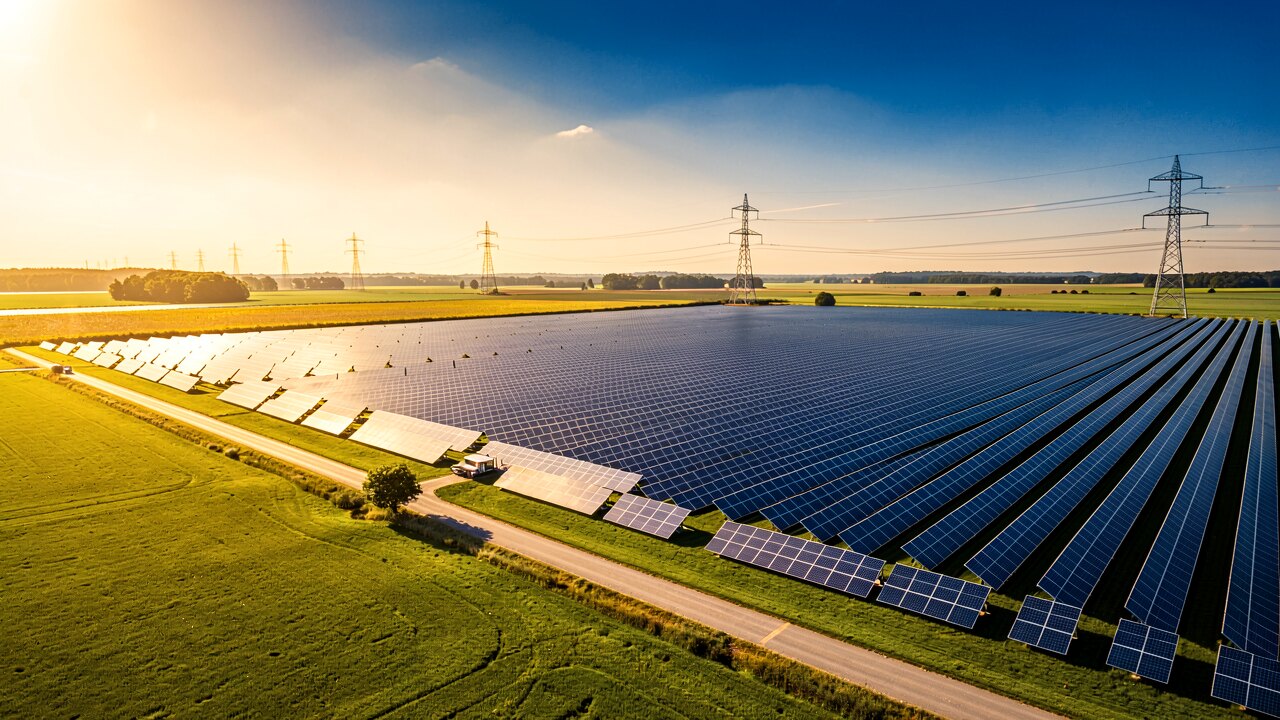
Pure buy-low-sell-high price arbitrage is limited across most of the Gulf and wider Middle East, because electricity is still sold through regulated, single-buyer markets with subsidised, largely flat tariffs — there is no liberalised spot exchange like Europe's EPEX SPOT to trade against. For commercial and industrial operators, the money is real but it comes mostly from shifting cheap solar into peak hours, time-of-use tariffs, and capacity or ancillary-service contracts rather than from minute-by-minute wholesale spreads.
Not in the European sense. Wholesale arbitrage needs a volatile day-ahead or intraday price you can trade against. Most Gulf markets (Saudi Arabia, UAE, Qatar, Oman, Kuwait, Bahrain) run a single-buyer model where a state procurement company sets the price, so there is no public spread for a merchant battery to capture. Where value does exist for a commercial battery, it is time-of-use arbitrage (shifting consumption from expensive peak tariffs to cheaper hours) and self-consumption shifting of on-site solar — not merchant trading.
Think value-stacking, not trading. 1) Solar time-shift: store midday PV output and use it during the evening peak to avoid buying grid power. 2) Time-of-use tariff arbitrage where a utility publishes peak/off-peak rates for large consumers. 3) Peak-demand reduction to cut capacity/demand charges on your bill. 4) Capacity or tolling contracts and ancillary services where the grid operator procures them. A single asset usually needs two or three of these stacked to reach a solid return.
Look for a published time-of-use or peak/off-peak commercial tariff from your distribution utility — that is the tradeable spread for an on-site battery. Large-scale storage value, by contrast, is captured through competitive tenders (solar-plus-storage and standalone BESS auctions run by procurement bodies in Saudi Arabia and the UAE), where the battery is paid via a long-term contract rather than by trading. If your site has no time-of-use tariff and no tender route, the realistic case is peak shaving and solar self-consumption, not arbitrage.
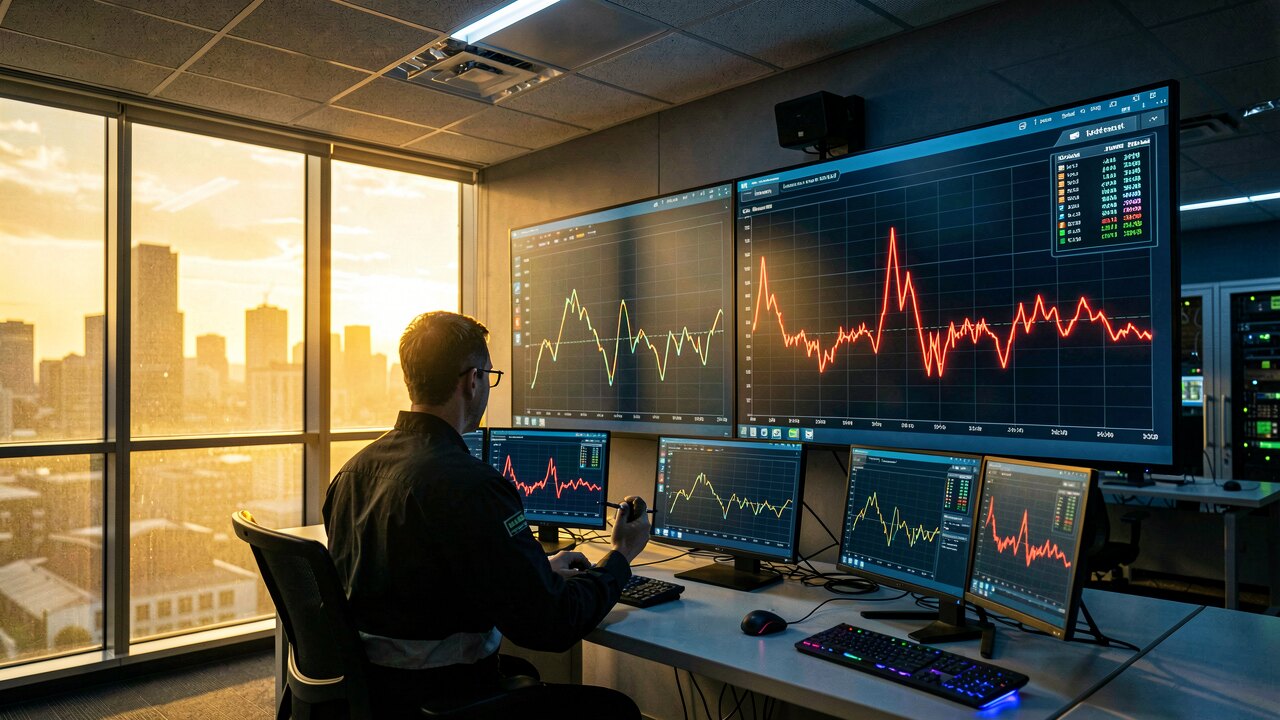
Because these are single-buyer systems, the counterparty matters. In the UAE that is typically EWEC (Abu Dhabi) or DEWA (Dubai); in Saudi Arabia the Saudi Power Procurement Company / SEC; in Oman OPWP (Nama Power & Water Procurement); in Qatar Kahramaa. For a behind-the-meter commercial battery you work within your utility's connection rules and tariff; for grid-scale storage you respond to their tender or bilateral PPA. Confirm net-metering, export, and tariff rules with the local regulator before sizing anything — these differ by emirate and country.
Size the battery to your actual peak/off-peak window and demand charge, not to a headline spread. High ambient temperatures across the Gulf accelerate lithium-ion degradation and raise cooling loads, so plan for active thermal management, a conservative depth-of-discharge, and round-trip efficiency (typically around 85–92% for modern systems) when you model returns. A battery that only sees one useful cycle a day from a flat tariff will pay back far slower than one stacking solar-shift plus demand-charge savings.
Run the numbers against your own tariff and load profile, not a generic case. Stromfee's BESS arbitrage engine is market-configurable: it optimises charge/discharge schedules against whatever price signal you feed it — a European spot curve, a local time-of-use tariff, or a peak-demand structure — and reports gross profit, efficiency loss, and degradation cost per cycle. That lets you see, before committing capital, whether a Gulf site clears the bar on time-of-use plus peak shaving alone.