Grid-scale battery safety in high temperatures across the Middle East and Gulf region
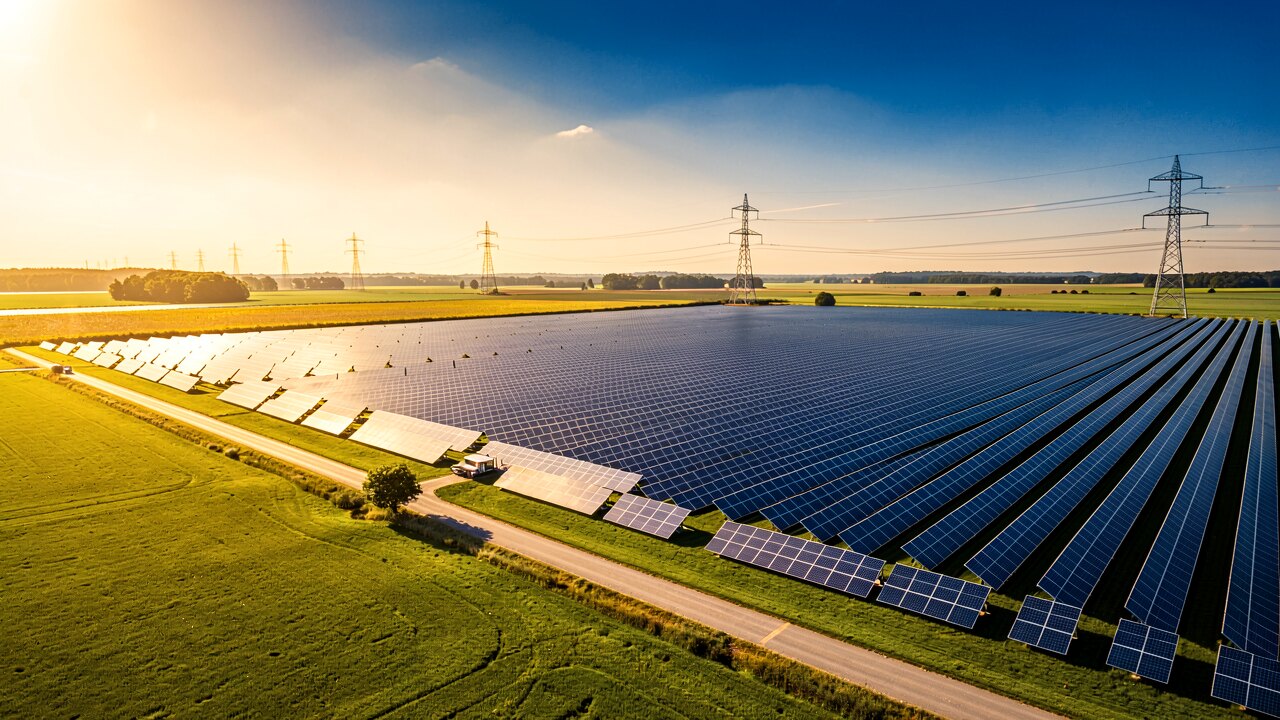
Yes — grid-scale batteries can run safely in Gulf summers that routinely exceed 45–50°C, but only with active cooling, the right cell chemistry and strict thermal-runaway controls. Below is exactly how that safety is engineered and what to check before you commission a system in the region.
Lithium-ion cells work best around 15–35°C. In the Middle East and Gulf region, ambient air regularly hits 45–50°C in summer, so a battery left uncooled would run hot, age fast and raise its thermal-runaway risk. Modern grid-scale BESS solve this with an integrated cooling system that holds the cells inside their safe window regardless of the outside temperature. The battery is not 'heat-proof' by material — it is kept safe by the enclosure, the cooling loop and the control system around it. If those work, high ambient heat is a manageable engineering problem, not a safety showstopper.
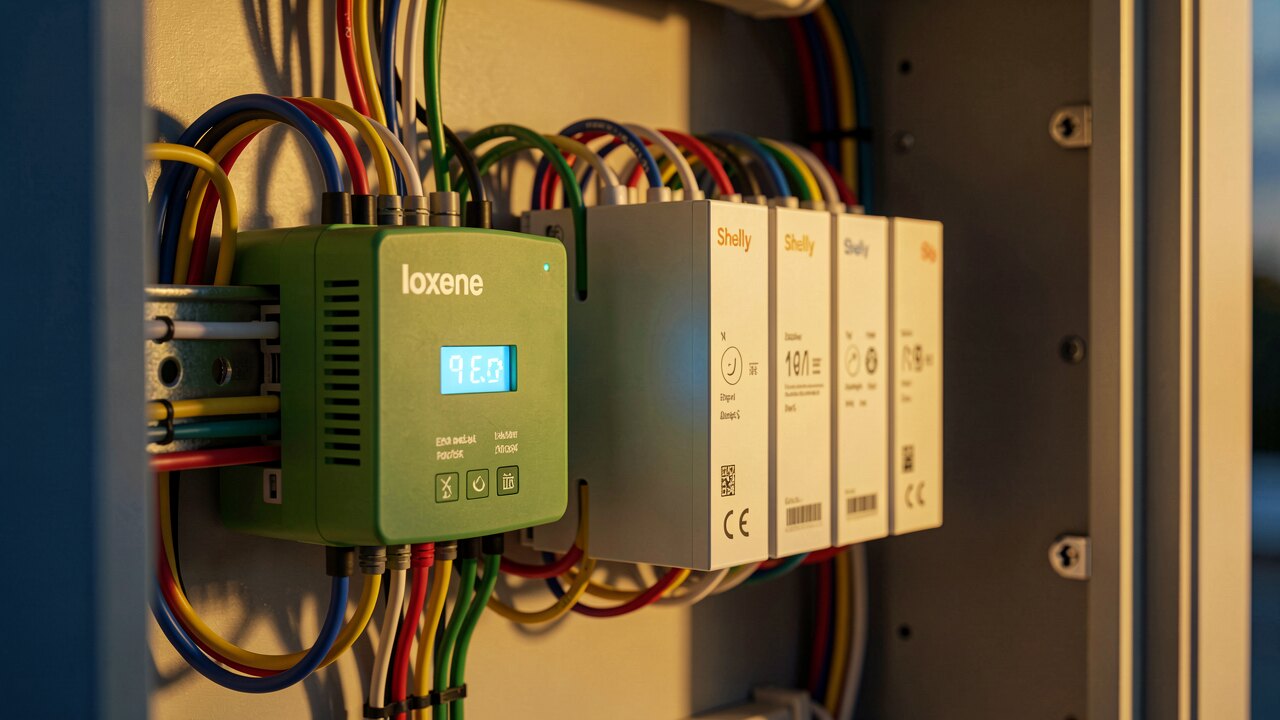
Most utility-scale containers built for hot climates use liquid cooling (a coolant loop through cold plates) rather than simple air conditioning, because liquid removes heat far more effectively at 50°C ambient. The system continuously measures cell and module temperatures and derates charge/discharge power if any zone drifts too warm. Practical measures that matter in the Gulf: white or reflective container skins to cut solar gain, shaded or oriented siting, oversized cooling capacity sized for peak summer noon (not average), and redundant cooling so a single fan or pump failure does not force a shutdown. Ask any supplier for the cooling capacity at 50°C ambient specifically — a rating at 25°C is meaningless here.
Cell chemistry is your first safety layer. Lithium iron phosphate (LFP / LiFePO4) is far more thermally stable than nickel-based NMC: it starts to break down at a much higher temperature and releases less energy if a cell does fail. That larger safety margin is why LFP has become the default for grid-scale projects in hot climates. NMC packs more energy per kilogram but leaves a smaller thermal buffer, which is the wrong trade-off when your baseline ambient is already 45°C+. For most Gulf grid and solar-shifting projects, LFP is the safer and increasingly the standard choice.

Cooling prevents problems; containment limits the damage if one still occurs. A well-designed system stops a single failed cell from cascading into its neighbours (propagation control), uses gas and smoke detection to catch off-gassing early, and includes deflagration venting or explosion panels so any released gas is directed safely out of the enclosure. Look for compliance with UL 9540 (system-level) and UL 9540A (the thermal-runaway propagation test), NFPA 855 for installation spacing and fire protection, and IEC 62933 for the storage system. In the region, coordinate early with your local authority and civil defence — projects tied to operators such as DEWA (Dubai), EWEC/Masdar (Abu Dhabi) or the Saudi grid typically require documented fire and safety approval before energisation.
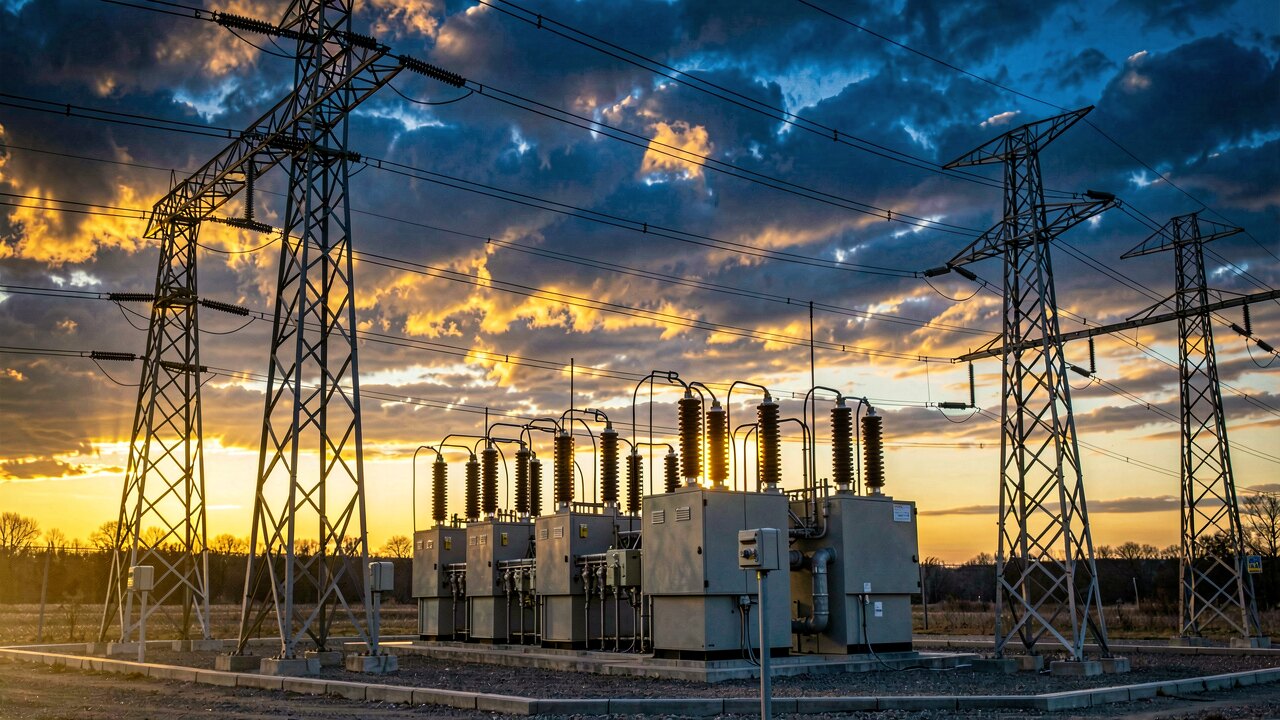
Concrete pre-commissioning checklist: (1) cooling capacity and battery derating curve quoted at 50°C ambient, not lab conditions; (2) LFP chemistry unless there is a specific reason otherwise; (3) UL 9540A test data showing no runaway propagation between modules; (4) gas detection, venting and fire suppression documented and accepted by local civil defence; (5) a controller that logs cell temperatures continuously and alarms on drift — you want the same temperature transparency a monitoring platform provides, so a warm module is caught weeks before it becomes a hazard; (6) a maintenance plan for cooling filters and coolant, since dust and heat degrade cooling hardware faster in the Gulf.
Yes to both, and they are linked. Sustained high cell temperatures accelerate calendar and cycle ageing, so an uncooled or poorly cooled battery loses usable capacity faster. Ageing also raises internal resistance, which generates more heat under load — a feedback loop that, unchecked, moves the pack toward its risk zone. Good thermal management therefore protects your economics and your safety at the same time: keeping cells near their optimal window in Gulf conditions is what preserves both warranty-grade lifetime and the thermal margin that keeps the system safe.