Heat Pump and HVAC Energy Monitoring in the Gulf and Middle East
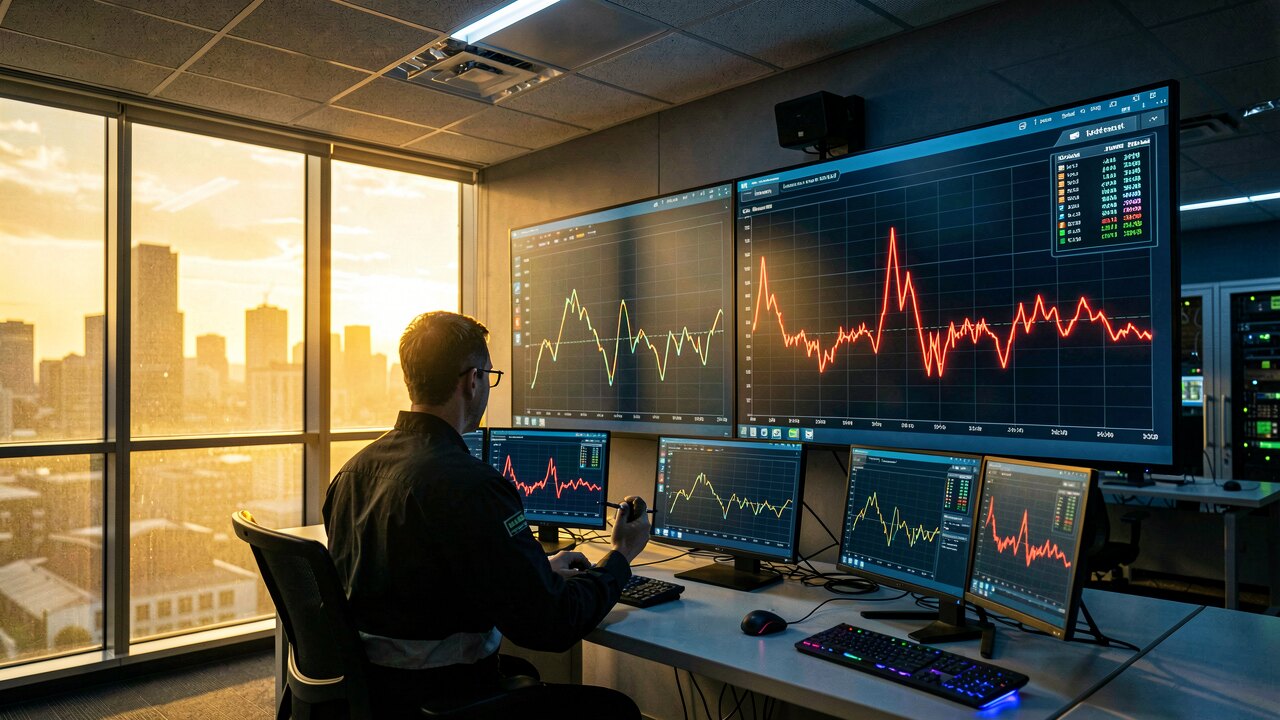
Energy monitoring means continuously measuring the electricity and thermal output of your heat pumps and HVAC plant so you can spot waste and cut running cost. In the Gulf and wider Middle East, where cooling drives most of a building's summer electricity demand, this is usually the single highest-return efficiency step you can take.
Monitor four things per unit or plant room: electrical power draw (kW and kWh), delivered cooling or heating (via flow and supply/return temperature on chilled- or hot-water loops), the resulting COP/EER, and runtime. Together these tell you how much electricity each kW of cooling actually costs. Start with the largest chillers, VRF/VRV systems and heat pumps, then extend to AHUs, pumps and fan-coil circuits. In a Gulf building, cooling is where the money is, so meter cooling first.
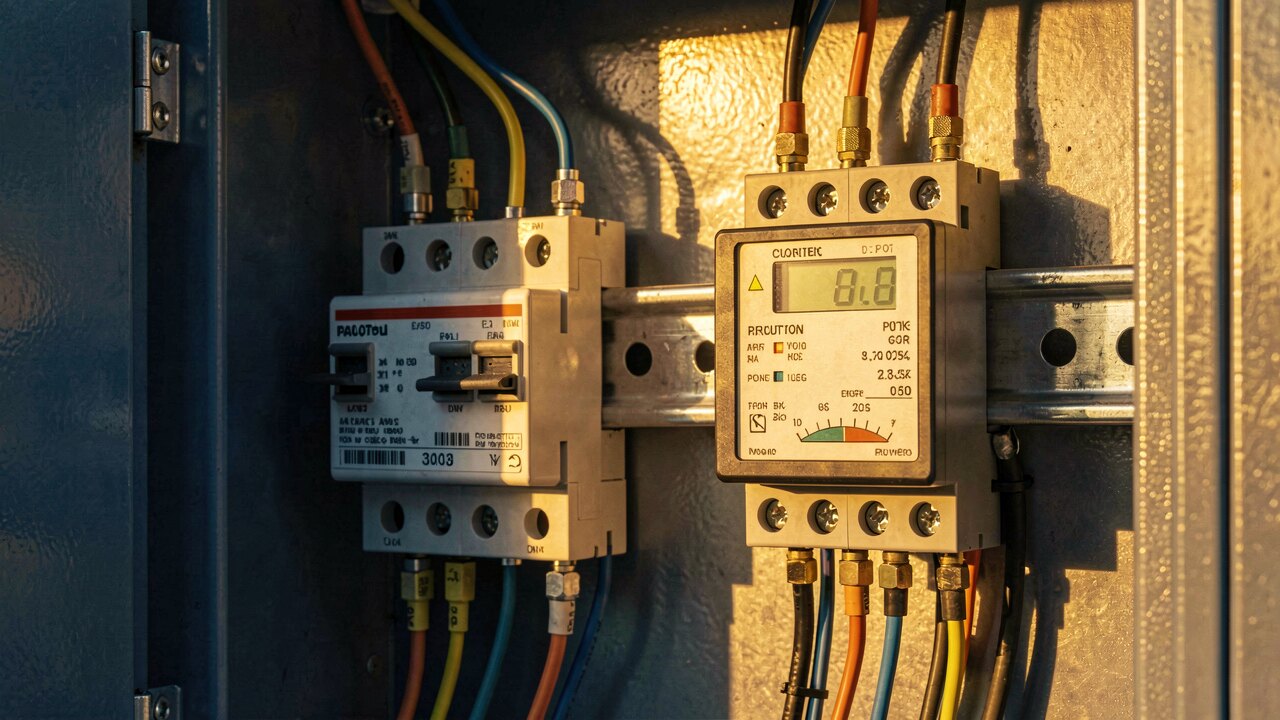
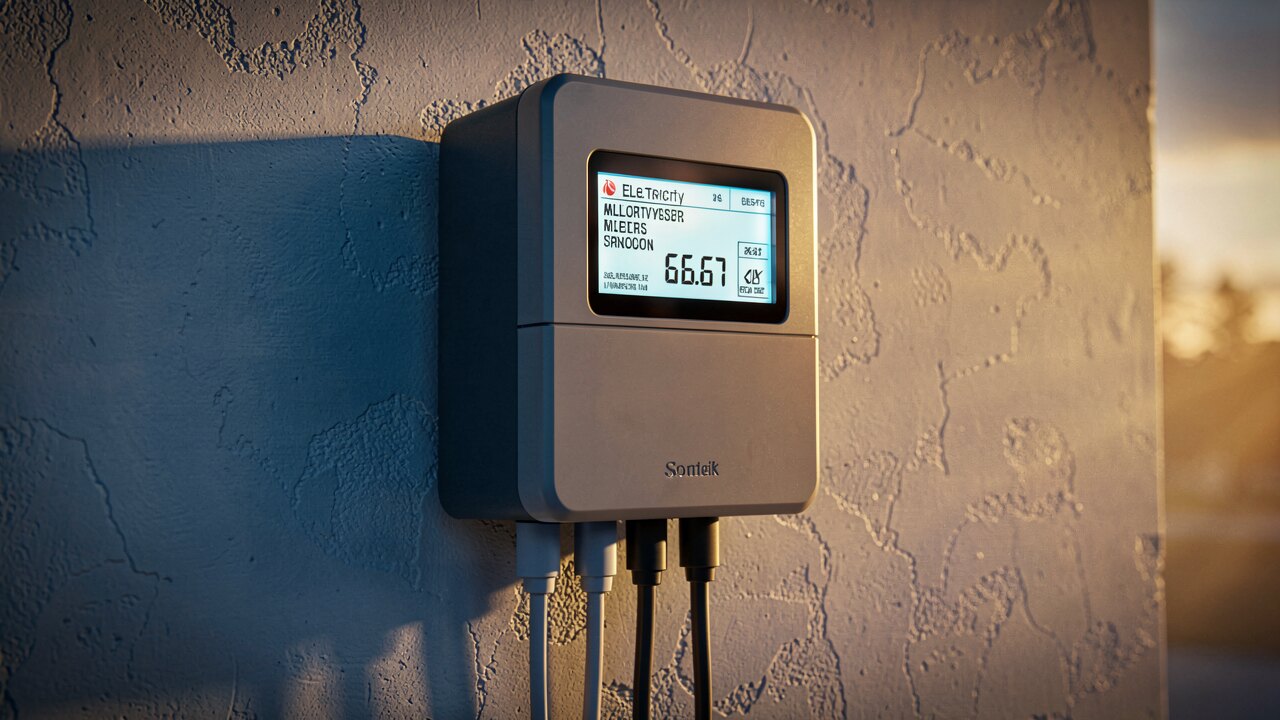
Most modern HVAC and heat-pump equipment already exposes data over Modbus, BACnet or a manufacturer API. Add a certified energy meter (or CT clamps) on each major circuit, add ultrasonic or inline flow meters plus temperature sensors on the water loops, and feed everything into a monitoring platform that logs at short intervals. Where equipment is old or closed, non-invasive clamp meters and clip-on temperature/flow sensors let you monitor without rewiring. This mirrors how Stromfee heat-generation and heating monitoring works: watch the source continuously, then optimise it.
In hot, humid Gulf climates a heat pump or chiller spends most of the year in cooling mode and runs at high load through long summers. Small COP losses — a fouled condenser, low refrigerant charge, high condensing temperature from a hot rooftop, or oversized units short-cycling — get multiplied across thousands of running hours. Monitoring reveals these as a falling COP or rising kWh per ton-hour long before a breakdown, so you fix the cause rather than pay for it all summer.
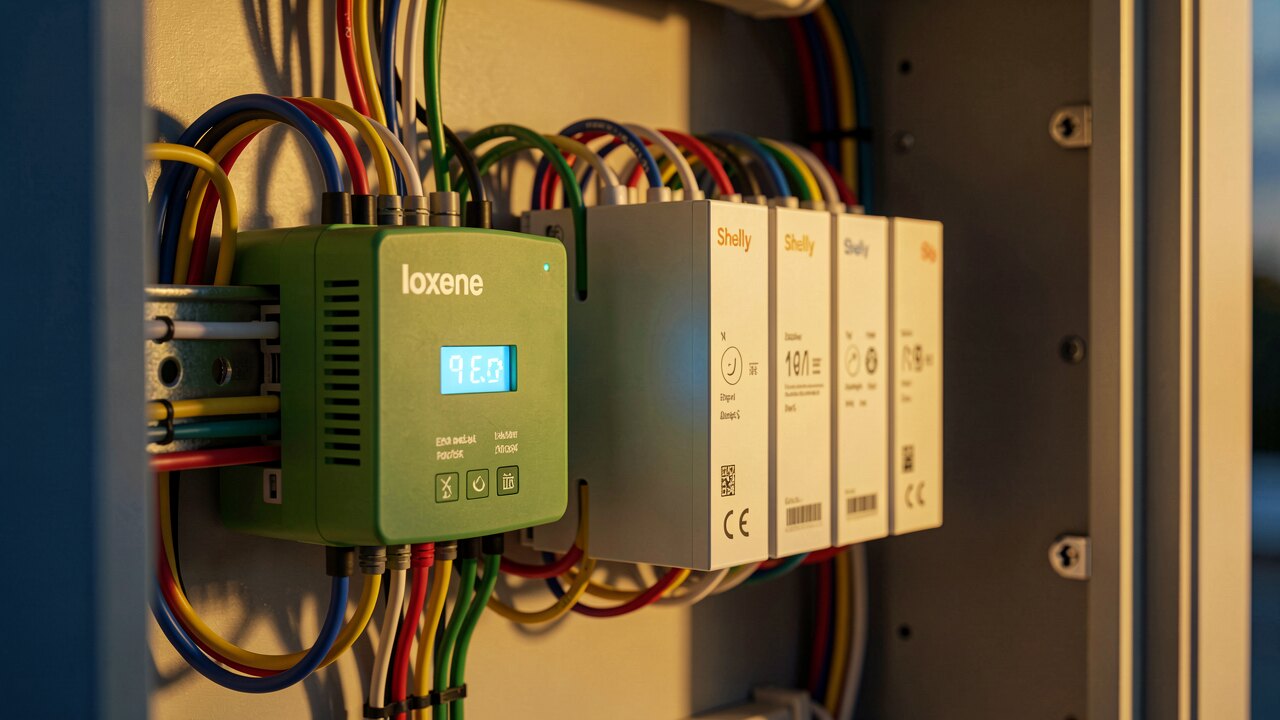
Grid operators differ across the region — DEWA and SEWA in the UAE, Saudi Electricity Company (SEC), KAHRAMAA in Qatar, EWA in Bahrain, Nama in Oman and MEW in Kuwait — and many apply tiered (slab) tariffs, fuel surcharges and, for commercial customers, demand (kW) charges. Because HVAC dominates the load, its start-up and midday peaks often set your monthly demand charge. Monitoring lets you stagger compressor starts and shift or trim peaks, which can cut the demand-charge portion of the bill, not just consumption.
Regional efficiency programmes reward measured performance: Etihad ESCO retrofits and Al Sa'fat / Estidama green-building ratings in the UAE, Saudi Arabia's Tarsheed / Saudi Energy Efficiency Program, and Qatar's Tarsheed. LEED and similar certifications require metered energy data for HVAC. Continuous monitoring gives you the verified baseline and savings evidence these schemes and ESCO performance contracts depend on. Treat any specific incentive amount as programme-dependent and confirm current terms with the utility or scheme before committing.
Monitoring only pays back when you act on it. Set alerts for COP dropping below a target, for units running outside occupied hours, and for condensing temperatures climbing. Compare identical units to find the outlier, schedule condenser cleaning by measured performance instead of a fixed calendar, and use load data to right-size any future heat-pump or chiller replacement. In a Gulf building the fastest wins are usually eliminating night-time overcooling, fixing fouled or starved units, and flattening the midday demand peak.
 Charge Director
 Automixer
 BESS Engineer
 PV Watcher