Utility-Scale Solar-plus-Storage in the Middle East and Gulf Desert
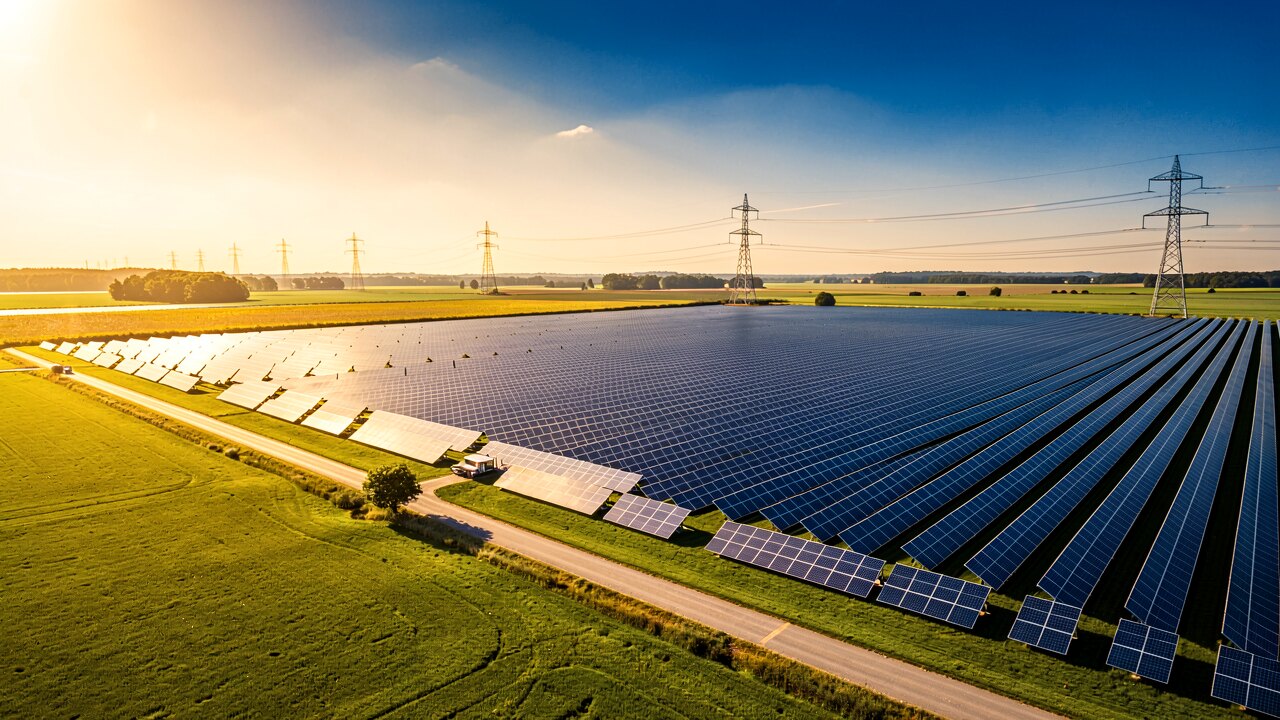
Utility-scale solar-plus-storage means a large desert PV plant (hundreds of megawatts) paired with grid batteries that store daytime sun for use after dark. In the Middle East and Gulf, this pairing is now standard because sunlight is abundant, land is cheap, and batteries fix solar's one weakness: it stops at sunset.
It is two systems on one site. Photovoltaic (PV) panels convert desert sunlight to electricity by day; a battery energy storage system (BESS) charges from that solar, then discharges in the evening peak or overnight. The battery is sized in megawatt-hours (energy) and megawatts (power) — e.g. a 500 MW / 2 GWh block can push 500 MW for roughly four hours. In the Gulf, the goal is usually to shift cheap midday solar into the evening air-conditioning peak.
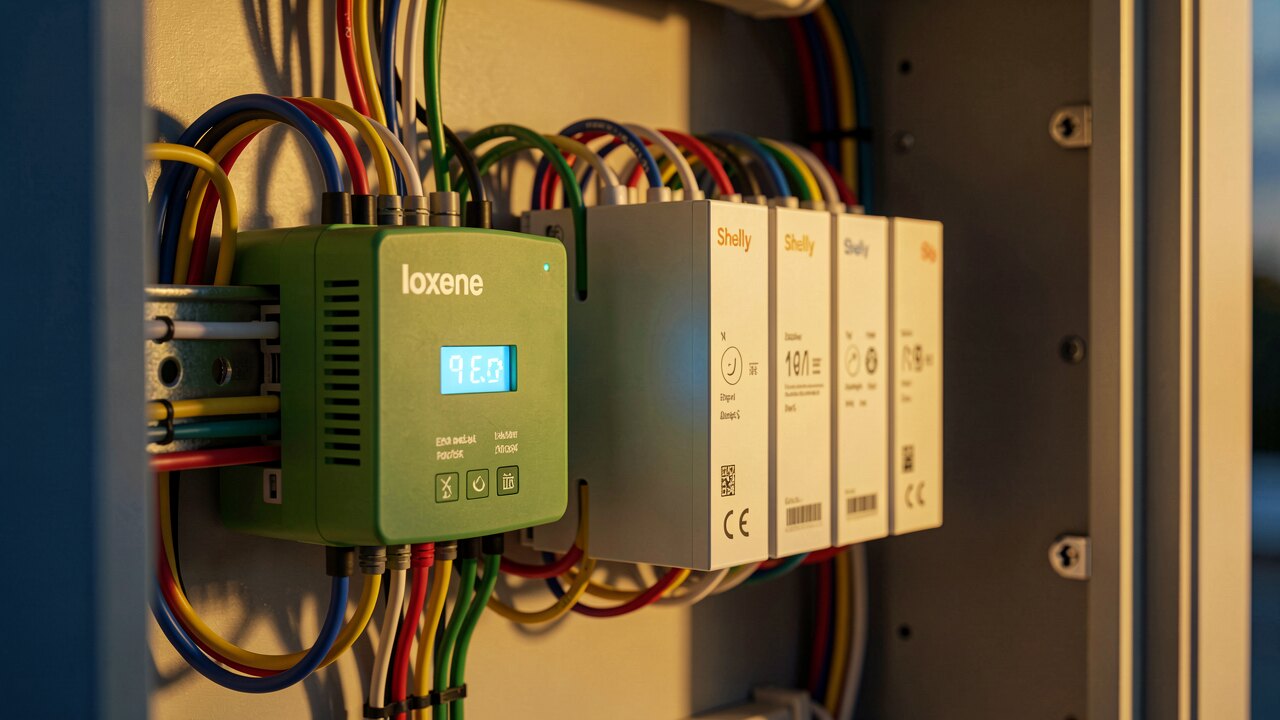
The Gulf has some of the world's highest solar irradiance, so PV yields are excellent and among the cheapest power anywhere. But desert conditions cut both ways: dust and sand soiling reduce panel output and force regular cleaning, and extreme heat (often 45 °C+) lowers panel efficiency and stresses batteries, which need active cooling. Well-designed Gulf plants budget for water-light robotic cleaning and thermal management to protect both yield and battery life.
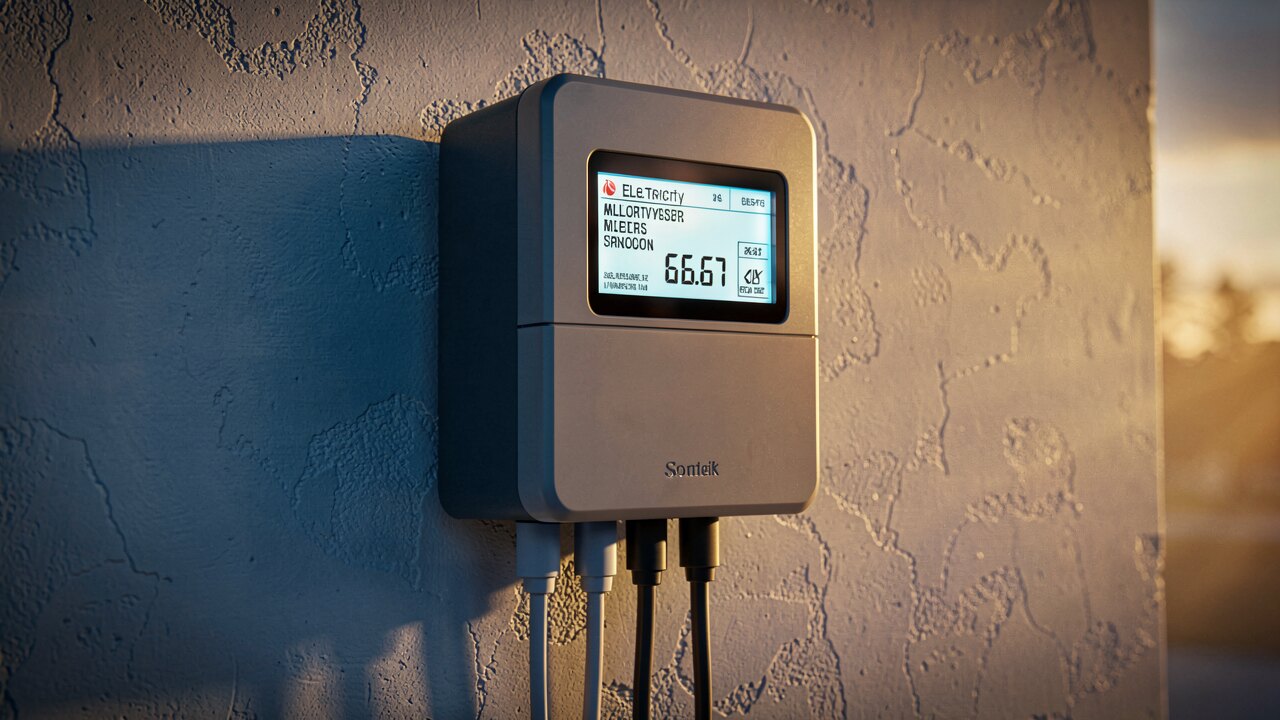
Storage at desert scale is already being built in the region. In Saudi Arabia, the Bisha BESS is rated 500 MW / 2 GWh, built from 122 BYD units. In the UAE, the Stargate Abu Dhabi campus is designed for 1 GW of total capacity (Phase 1 of 200 MW is planned for Q3 2026) to power AI data centres in the Emirati desert. Comparable desert solar-plus-storage plants exist elsewhere — e.g. Gemini in Nevada (380 MW / ~1.4 GWh) and Desert Sunlight in California (530 MW / 2.12 GWh) — showing the same design template.
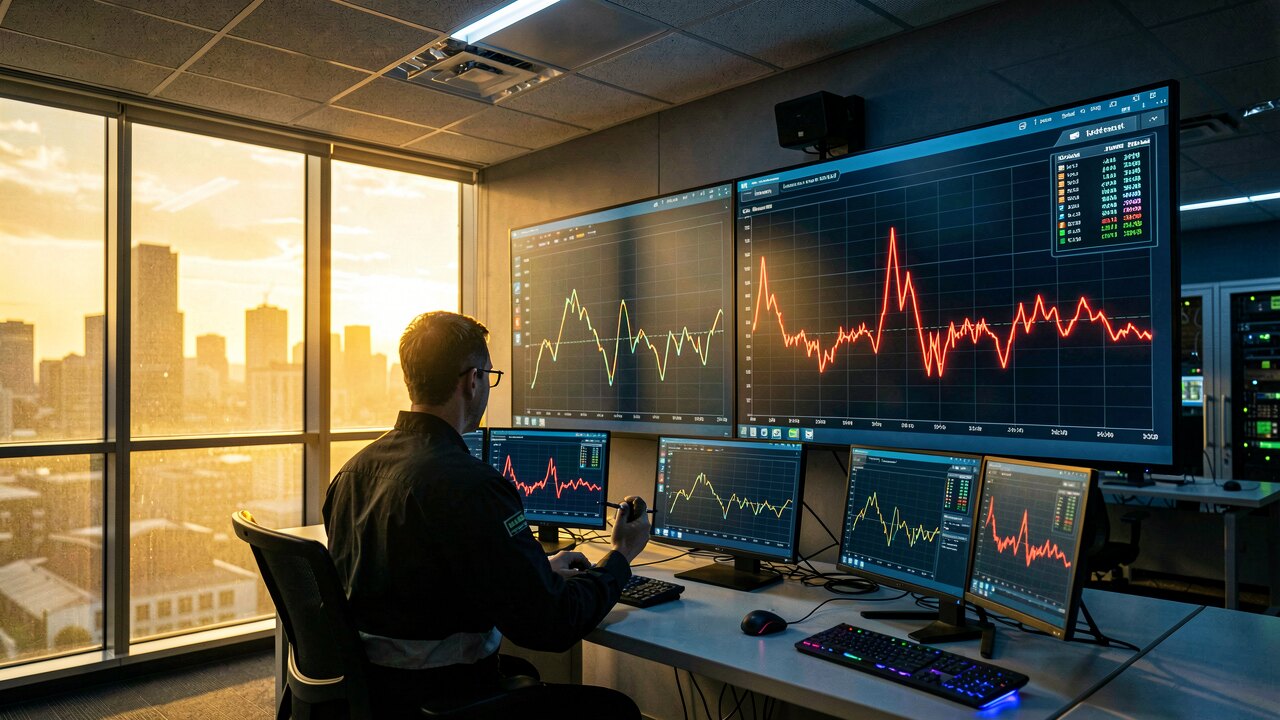
In the Gulf, utility-scale solar-plus-storage is typically procured through competitive auctions by state offtakers: EWEC in Abu Dhabi, DEWA in Dubai, and the Saudi Power Procurement Company in Saudi Arabia. Developers such as ACWA Power and Masdar build the plants and sell electricity under long-term power purchase agreements (PPAs). These auctions are why Gulf solar tariffs have repeatedly set global low-price records.
Solar alone floods the grid at midday and disappears at 6 pm — exactly when Gulf demand for air conditioning stays high. Adding storage lets a plant sell firm evening power instead of dumping surplus midday energy, capture higher evening prices, and provide grid stability services. That extra revenue, plus falling lithium-iron-phosphate (LFP) battery costs, is what makes the solar-plus-storage pairing bankable rather than optional.
Start from the load you want to cover after sunset: multiply the target power (MW) by the hours you need (typically 2–4 h) to get the battery's energy (MWh). Oversize the solar field relative to the grid connection so it can both serve daytime load and fully charge the battery. Then add margins for soiling losses, high-temperature derating, and battery round-trip losses (~10–15%). Detailed sizing should always use site-specific irradiance and temperature data, not rules of thumb alone.